KENYA KANJATHI AA
14,00 €
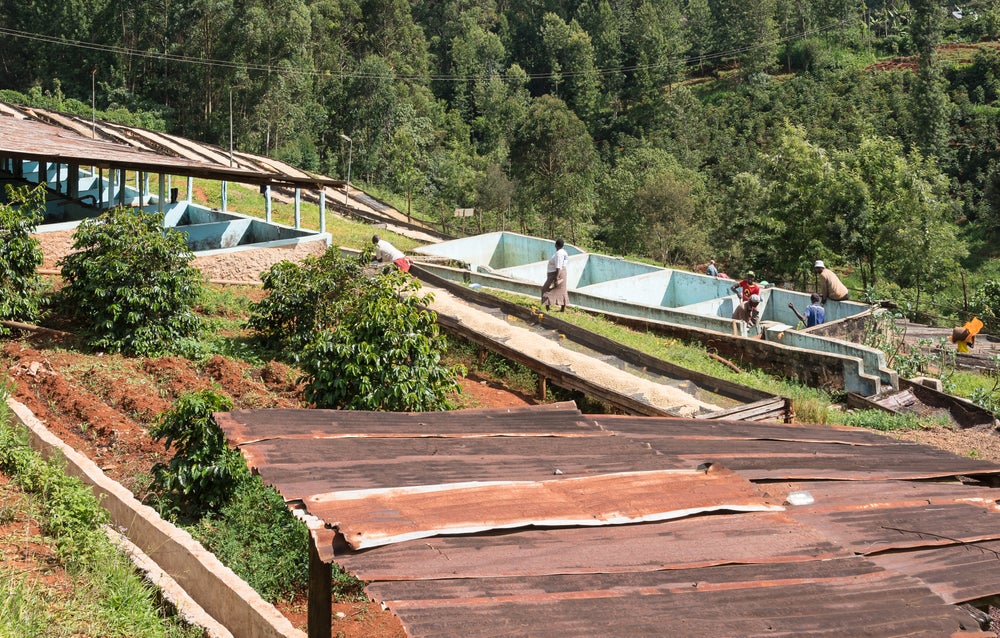
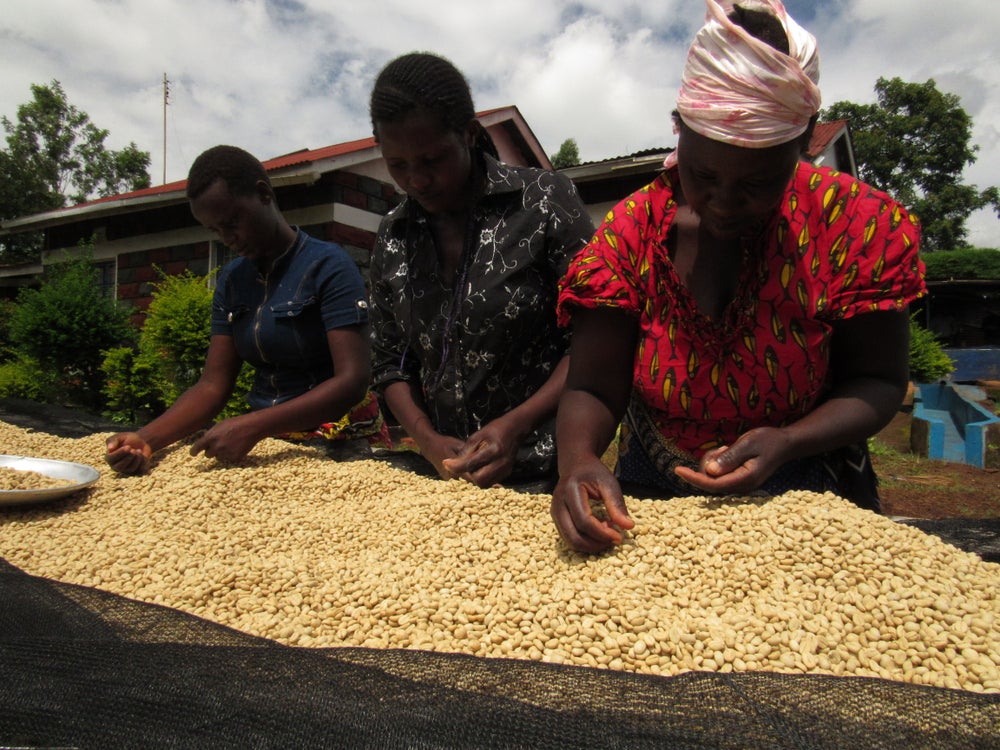
Coffee cherries are carefully handpicked at peak ripeness by smallholder farmers and delivered to the factory for processing. After being handsorted to remove underripe and/or damaged fruit, cherry iw then pulped using a disk pulper to remove the outer skin. Parchment is then fermented in concrete tanks for 12 to 24 hours, depending on temperature and climate conditions, to break down the mucilage. After fermentation, parchment is washed through grading channels using fresh water before being transferred to raised beds for drying. The drying process lasts 7 to 14 days, with workers frequently turning the parchment and covering it during the hottest part of the day to ensure even drying and prevent defects
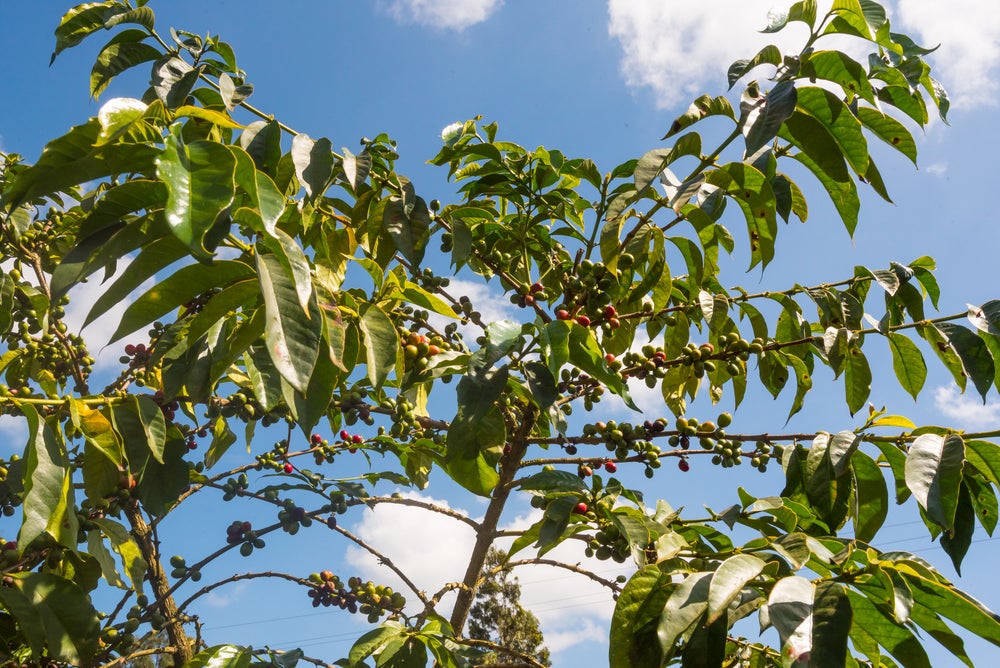
Ruiru 11, a hybrid of Catimor and SL cultivars, is both Coffee Berry Disease (CBD) and Coffee Leaf Rust (CLR) resistant. Plus, it can be planted at a much higher density than the SL varieties, making optimal use of small plots of land.
Ruiru 11 has slowly ‘taken root’ across most of Kenya’s coffee growing landscape. The only issues were that with a shallower root structure, many farmers found the plant less hardy in drought conditions, and the trees required a more intense feeding program. Over time, farmers have found that by grafting Ruiru-11 to SL varieties they could take advantage of SL trees’ expansive root system and still reap the increased yields and higher immunity to disease of Ruiru-11.
Due to the grafted Ruiru-11’s growing popularity, most farms in Kenya today, both big and small, have a mixture of Ruiru-11 and SL varieties. As SL trees age, many farmers are opting to turn more towards Ruiru-11 (or the grafting solution) thanks to its ease of use and higher resistance to diseases.
Related products
-
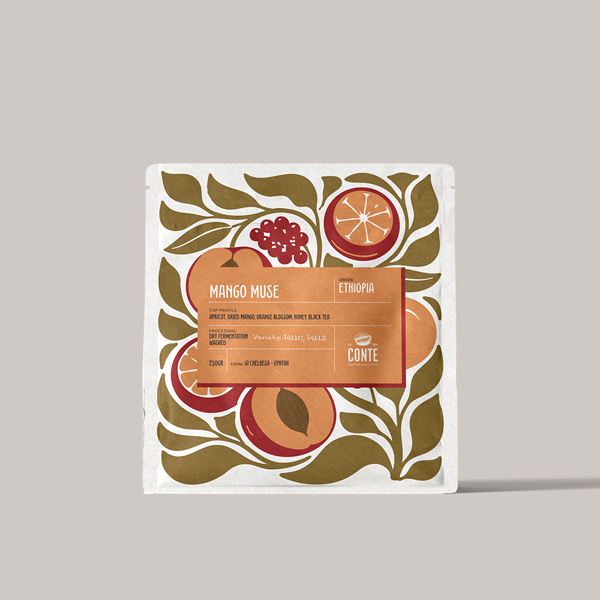

MANGO MUSE
16,50 € Select options This product has multiple variants. The options may be chosen on the product page -
GUAVA BANANA
16,00 € Select options This product has multiple variants. The options may be chosen on the product page -
COLOMBIA REFOREST PROJECT 250GR
13,00 € Select options This product has multiple variants. The options may be chosen on the product page -
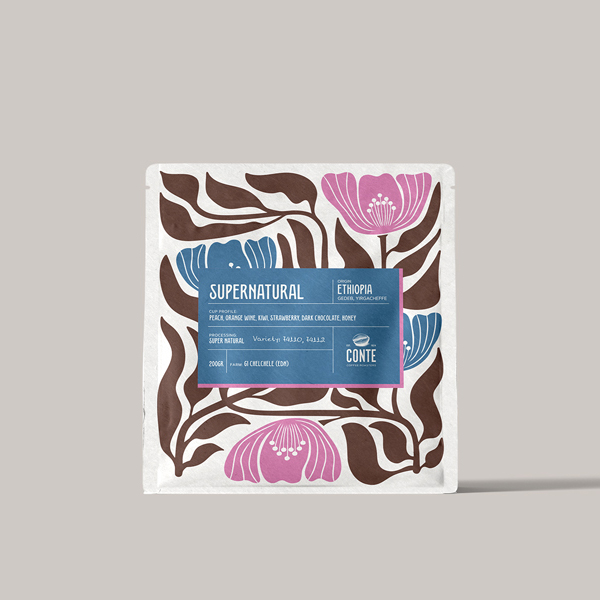
SUPERNATURAL
13,50 € Select options This product has multiple variants. The options may be chosen on the product page